
There’s nothing more frustrating than pulling your favorite shirt or perfect pair of jeans out of the dryer—only to discover they’ve shrunk. It’s a common laundry problem, but here’s the good news: it’s one of the easiest issues to prevent. All it takes is a little laundry knowledge and a few habit changes.
Clothing shrinkage usually happens when heat, moisture, and agitation all combine during the washing or drying process. Natural fibers like cotton and wool are especially sensitive. The fibers tighten when exposed to high temperatures and too much movement—causing your clothes to come out smaller than they went in.
But don’t worry. Whether you’re doing laundry at home or using a professional laundromat, you can keep your clothes fitting the way they’re supposed to. Let’s walk through everything you need to know to prevent your garments from shrinking—starting with fabric basics and ending with smart laundry tips.
Know Your Fabrics
Different fabrics react differently to heat and water. Knowing which ones are most prone to shrinking helps you make better laundry decisions.
High-Shrinkage Fabrics:
-
Cotton (especially 100% cotton)
-
Wool
-
Linen
-
Rayon
These fabrics are made from natural fibers that easily contract when exposed to heat or friction.
Moderate-Shrinkage Fabrics:
-
Bamboo blends
-
Tencel
-
Silk
These may not shrink as dramatically, but they still require care.
Low-Shrinkage or Preshrunk Fabrics:
-
Polyester
-
Nylon
-
Spandex blends
-
Most synthetics
-
Fabric blends like cotton/polyester
These fabrics are more stable and resistant to shrinking, but they’re not immune—especially when exposed to very high heat.
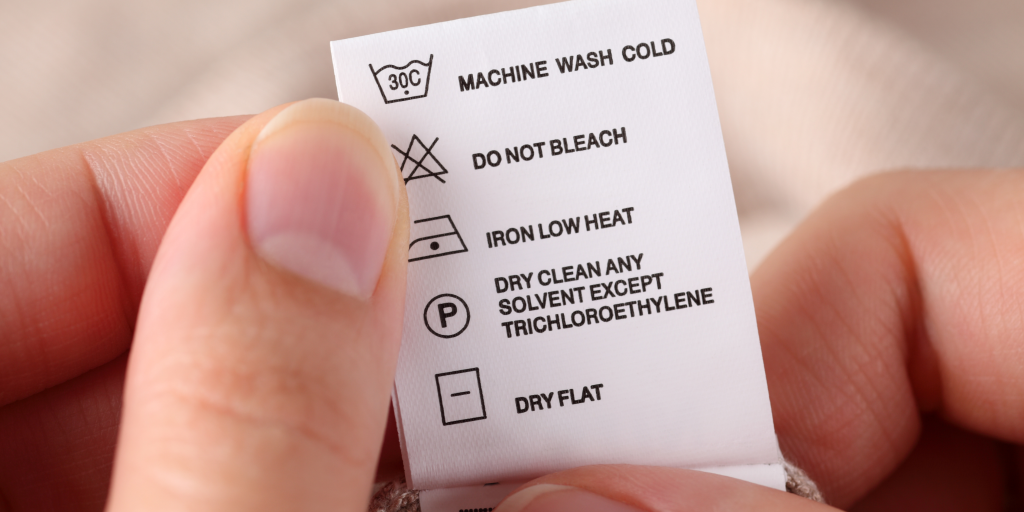
Always Read the Care Label
Before you wash any piece of clothing, take a moment to check the care tag. It’s easy to overlook, but that little label tells you everything you need to know: the recommended water temperature, drying instructions, and whether you should skip the machine altogether.
Look for phrases like:
-
“Machine wash cold”
-
“Tumble dry low”
-
“Lay flat to dry”
-
“Dry clean only”
If the label says “do not tumble dry”, take it seriously. That’s a clear warning that the item could shrink in the dryer.
Choose Cold Water Washes
One of the biggest causes of shrinkage? Hot water. It relaxes and tightens fibers, especially in cotton and wool garments.
To prevent this:
-
Wash most clothing in cold water.
-
Use warm water only for items like socks, towels, or sheets.
-
Reserve hot water for sanitizing—not for your everyday wear.
Bonus: Cold water is also gentler on fabrics and colors, and it helps you save energy.
Use the Right Wash Cycle
The more a garment moves around, the more likely it is to shrink. Most washers have multiple settings to handle different fabric types and dirt levels. Don’t just press “normal” and go.
Here’s what to use:
-
Gentle or delicate cycles for lightweight, stretchy, or sensitive clothes.
-
Permanent press or casual cycles for synthetic blends.
-
Heavy-duty or whites cycles for towels, denim, and workwear—never for delicate clothing.
At laundromats, use front-load machines if possible. They’re usually gentler on fabrics than top-load washers with agitators.
Dry Smart: Air Dry or Use Low Heat
Dryers are responsible for a lot of shrunken clothes. High heat can break down fibers and cause them to constrict. The best way to avoid this is to reduce your dryer usage—or at least control the heat.
Drying tips:
-
Air dry whenever you can using racks, hangers, or flat surfaces.
-
Use the “air fluff” or “no heat” option to refresh clothing without shrinking it.
-
If you use a dryer, stick to low heat or tumble dry low.
-
Remove clothes while they’re still slightly damp, then hang or lay them flat to finish drying.
Avoid putting favorites like t-shirts, sleepwear, leggings, or cotton tops in the dryer on high.
Lay Flat or Hang Dry (the Right Way)
Certain fabrics—like wool, rayon, and fine knits—need a little extra care during the drying process. Laying these items flat helps them dry without stretching or shrinking. Hanging can sometimes pull on the fibers and change the shape.
Pro tips:
-
Lay sweaters or delicate items on a clean, dry towel to air dry.
-
Gently reshape the item before it dries to preserve the original fit.
-
Hang jeans and shirts upside down to reduce stretching at the shoulders or waistband.
Don’t Overdry
Even on low heat, running the dryer for too long can shrink clothes. Many dryers keep heating clothes even after they’re dry—especially on automatic cycles.
To avoid overdrying:
-
Use moisture-sensor drying if your dryer has it.
-
Set a shorter timer—10 to 20 minutes less than the default.
-
Check halfway through the drying cycle to prevent overheating.
Wash Clothes Less Often
The fewer times you wash a garment, the less chance it has to shrink. Many items don’t need to be washed after every wear.
Here’s a general guide:
-
Jeans: every 3–5 wears
-
T-shirts: every 1–2 wears
-
Sweaters: every 3–4 wears
-
Outerwear (hoodies, jackets): only when visibly dirty
Laundering less also helps preserve fabric quality and color.
Use Garment Bags for Delicates
A mesh laundry bag can protect your most delicate clothing from friction and tangling. These bags reduce stress on the fibers and can make a big difference in preventing shrinkage.
Use garment bags for:
-
Bras and underwear
-
Swimsuits
-
Leggings and athletic wear
-
Rayon, silk, or lace items
Just toss your item in the bag and wash as usual—no need for special treatment beyond that.
Buy Preshrunk When Possible
If you’re shopping for cotton or linen items, look for labels that say “preshrunk” or “prewashed.” These items are processed to minimize post-wash shrinkage—but that doesn’t mean they’re completely safe from heat. Still use cold water and low dryer settings.
Bonus tip: If you’re between sizes, consider sizing up. It gives you more flexibility if some shrinkage happens over time.
What If Something Shrinks Anyway?
Even with the best care, sometimes clothes still shrink. Fortunately, you may be able to stretch them back—at least partially.
For Cotton or Cotton Blends:
-
Fill a sink or basin with lukewarm water.
-
Add 1 tablespoon of baby shampoo or hair conditioner.
-
Soak the item for 30 minutes.
-
Drain the water and gently stretch the garment by hand.
-
Lay flat on a towel to dry, reshaping as needed.
For Wool or Sweaters:
-
Use cold water instead of warm.
-
Follow the same method but handle more delicately.
-
Don’t tug too hard—let the fabric relax and reshape naturally.
This won’t always return items to their original size, but it can make them wearable again.
Final Thoughts: Shrink No More
Clothes don’t have to shrink. A few simple habits—like using cold water, gentle cycles, and low dryer heat—can keep your clothes looking and fitting like new.
Key Takeaways:
-
Use cold water and gentle wash cycles for most items.
-
Skip the high heat—air dry or use low heat instead.
-
Check fabric labels and follow instructions.
-
Don’t overwash or overdry your clothes.
-
Try reshaping techniques if something shrinks.
Whether you’re doing laundry at home or using a professional laundromat, a few extra steps can help your clothes last longer, look better, and stay true to size.
🩵 Need help keeping your clothes in top shape?
Tampa Laundry Company has temperature-controlled, high-capacity washers and dryers with customizable settings designed to be gentle on all fabric types. Whether you’re using cold water washes, low-heat drying, or just want to simplify your laundry routine, we’ve got your back.
Come see why TLC is the way people do their laundry.