
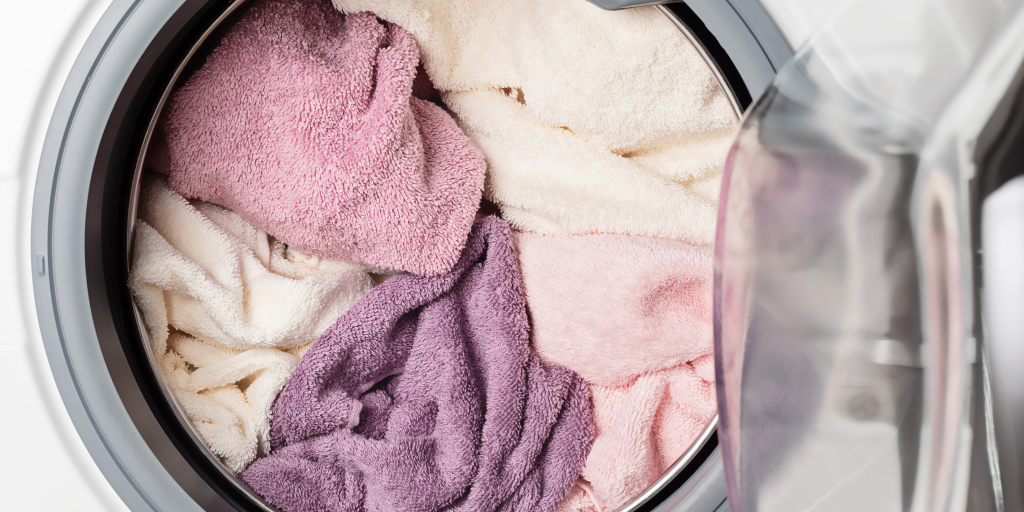
Let’s be honest—laundry isn’t always at the top of our to-do list. When it does make the cut, it’s tempting to shove as much clothing as possible into the washer and call it a day. After all, bigger loads mean fewer loads, right? Not so fast. Overloading your washing machine might seem like a time-saver, but in reality, it can lead to poor cleaning results, damaged fabrics, and even costly repairs. Let’s break down why less really is more when it comes to laundry loads—and how you can wash smarter every time.
The Big Problem with Overloading
Your washing machine needs space to do its job. During a wash cycle, clothes need room to tumble, agitate, and rinse. When a machine is overloaded, fabrics get pressed together, making it difficult for water and detergent to circulate. This means:
-
Detergent isn’t evenly distributed
-
Soils and stains don’t lift properly
-
Clothes tangle, twist, and wear faster
-
Your machine has to work harder, shortening its lifespan
You might think you’re being efficient by cramming everything in, but you’re really just creating more laundry headaches down the line.
What Happens Inside an Overloaded Washer?
Imagine mixing cookie dough without enough space in the bowl. The ingredients don’t blend well, and the final product suffers. That’s what’s happening in your washer when it’s overloaded. The drum can’t rotate freely, which reduces friction between clothes and detergent. That friction is essential—it’s how grime, sweat, and dirt are lifted from fabric fibers.
Also, overpacking can block the washer’s rinsing and draining systems. Residual soap and soil can cling to clothing, leaving garments feeling stiff, sticky, or even smelly. You may even see soap stains on your freshly “cleaned” items.
How to Know If You’re Overloading
The good news? You don’t need a scale to get it right. Here’s a simple way to test:
-
Top-Load Washer: After loading your clothes, you should be able to fit your hand vertically between the top of the pile and the drum’s lid.
-
Front-Load Washer: Leave about 4–6 inches of space between the top of your laundry and the top of the drum.
If you have to push clothes down to close the lid or door, that’s a clear sign your washer is overfilled.
Consequences of Chronic Overloading
Overloading your washing machine doesn’t just ruin your laundry—it can also damage your machine over time.
1. Worn-Out Motors and Bearings
Extra weight causes stress on the washer’s motor, belt, and bearings. Over time, this leads to breakdowns and the need for repairs—or even full replacement.
2. Inefficient Cleaning
Heavy loads prevent thorough rinsing. That leftover detergent residue can cause skin irritation, especially for babies or people with sensitive skin.
3. Fabric Damage
Clothes that are pressed too tightly together create excess friction. This leads to pilling, stretching, tears, or worn-down seams.
4. Increased Water and Energy Use
Ironically, overloading can cause your machine to re-run rinse cycles or require rewashing. That means more water, more electricity, and more detergent—not less.
A Better Way to Load Your Washer
The key to a cleaner, more efficient laundry day is proper load size. Here’s how to load your washer based on the type:
Small Load
-
Fills 1/3 of the drum
-
Ideal for delicates, lingerie, or light fabrics
Medium Load
-
Fills 1/2 of the drum
-
Best for mixed fabrics like t-shirts, shorts, and lightweight items
Large Load
-
Fills 3/4 of the drum
-
Great for towels, jeans, bedding (but not all at once!)
Even in a large load, you want to ensure everything can move freely. Balance is also important—spread heavier items evenly to avoid lopsided spinning.
Pro Tips to Keep Laundry Running Smoothly
At Tampa Laundry Company, we know that smart laundry practices make a big difference. Here are a few extra tips to help you keep your clothes (and machines) in top shape:
1. Use the Right Cycle
Select the correct setting for your load. Don’t use “Heavy Duty” for every wash—it can wear out fabrics unnecessarily. Delicate or “Normal” cycles are usually best for everyday items.
2. Measure Detergent Properly
Too much detergent = more residue. Most people use double what they actually need. High-efficiency machines need even less.
3. Clean Your Washer Regularly
Detergent and fabric softener can build up, especially if you’re overloading. Clean your machine once a month using a washer cleaner or white vinegar cycle.
4. Check Pockets and Zippers
Before loading, always check for items in pockets. Coins, tissues, and keys can damage the drum—and your clothes.
Wash-Dry-Fold Services: A Smarter Alternative
Don’t have time to sort and separate laundry loads? You’re not alone! At Tampa Laundry Company, our professional wash-dry-fold service makes life easier. We treat your clothes with care, load machines properly, and ensure each item is cleaned efficiently—no overloading, no cutting corners.
Our trained team uses high-quality detergents, ideal water temperatures, and gentle machine settings. We do the sorting, folding, and stacking for you—so all you have to do is drop off and pick up.
Final Thoughts: Wash Wisely
Overloading your washer may seem like a time-saver, but it does more harm than good. Clothes come out less clean, machines wear out faster, and you’ll likely end up rewashing things anyway. The fix? Keep your loads balanced, give fabrics room to breathe, and trust the process.
Whether you’re doing laundry at home or bringing it to a professional laundromat like ours, taking the time to load machines correctly makes a big difference. It protects your investment in clothes, saves energy, and gets you the fresh, clean results you want—every single time.
🩵 Need help tackling your laundry? Let Tampa Laundry Company handle the load for you. We’re here to make laundry day feel a whole lot lighter.