
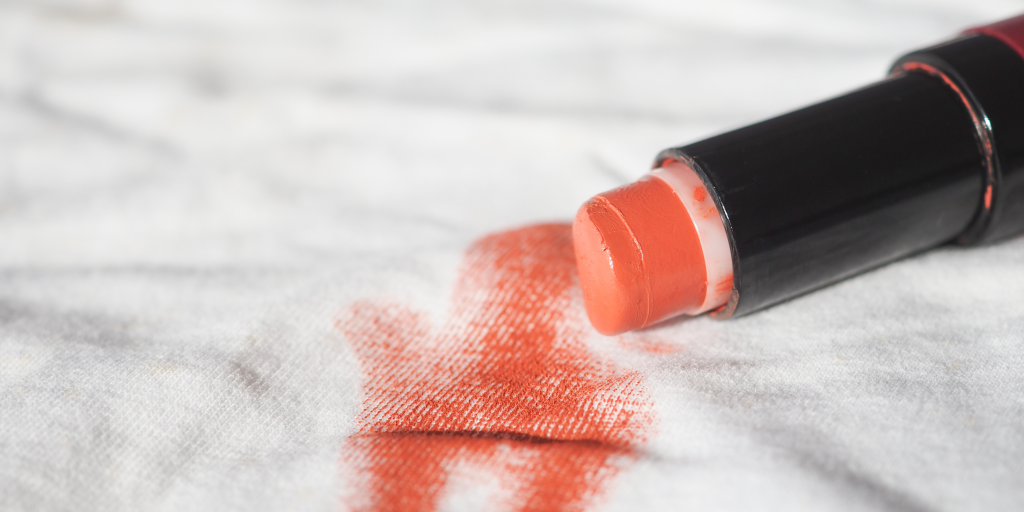
Stains happen. A coffee spill during a busy morning. Pasta sauce that jumps off the fork. Grass stains from kids or pets. Makeup smudges. Sweat marks. Oil splatters. Laundry doesn’t ask for permission before it gets messy.
The good news? Most stains are not permanent. The bad news? Treating them the wrong way can lock them in forever.
If you’ve ever tossed a stained item into the wash hoping for the best and pulled it out disappointed, this guide is for you. Let’s walk through how to remove tough stains the smart way, without damaging fabric, fading color, or making things worse.
The Golden Rule of Stain Removal
Before we get into specific stains, remember this one rule:
Heat sets stains.
If a stain isn’t fully removed, do not put the item in the dryer. Drying locks stains deep into fabric fibers, making them much harder to remove later.
Always check stains before drying. Always.
Step One: Act Fast (But Don’t Panic)
The sooner you treat a stain, the better your chances of removing it completely. Fresh stains haven’t had time to bond with the fabric yet.
If you can’t treat it right away:
-
blot excess liquid
-
rinse with cold water if possible
-
keep the fabric from drying out
Avoid rubbing aggressively. That pushes the stain deeper into the fibers.
Cold Water vs Hot Water (This Matters)
-
Cold water works best for protein-based stains like blood, sweat, dairy, and eggs.
-
Warm or hot water works better for greasy or oily stains once the grease is lifted.
When in doubt, start with cold water. You can always warm it up later.
Common Stains and How to Beat Them
Let’s break down the most common laundry stains and exactly how to handle them.
1. Coffee and Tea Stains
These stains love to settle in quietly.
How to treat:
-
Rinse immediately with cold water from the back of the fabric
-
Apply liquid detergent directly to the stain
-
Gently rub and let sit for 10 minutes
-
Wash in cold water
For stubborn stains, add baking soda or vinegar before washing.
2. Grease and Oil Stains
Cooking oils, butter, salad dressing, makeup, lotion—these are sneaky.
How to treat:
-
Blot excess oil
-
Sprinkle baking soda, cornstarch, or baby powder to absorb grease
-
Let sit for 15–30 minutes
-
Brush off and apply dish soap
-
Rinse and wash
Dish soap works because it’s made to cut grease.
3. Blood Stains
Time is critical here.
How to treat:
-
Use cold water only
-
Rinse from the back of the fabric
-
Apply hydrogen peroxide (for whites only) or liquid detergent
-
Blot gently
-
Wash cold
Never use hot water on blood. Ever.
4. Sweat and Deodorant Stains
These show up as yellow or white marks, especially on shirts.
How to treat:
-
Mix baking soda with water into a paste
-
Apply to the stain and let sit for 30 minutes
-
Rinse and wash cold
Vinegar also helps break down deodorant residue.
5. Grass Stains
Grass stains are dye-based and stubborn.
How to treat:
-
Apply liquid detergent or rubbing alcohol
-
Gently blot (don’t rub too hard)
-
Rinse and repeat if needed
-
Wash cold
Avoid heat until the stain is gone.
6. Ink Stains
Ink can be scary, but it’s not a lost cause.
How to treat:
-
Place paper towels under the fabric
-
Dab rubbing alcohol or hand sanitizer onto the stain
-
Blot gently as ink transfers to the paper towel
-
Rinse and wash
Work slowly. Rushing spreads ink.
7. Makeup Stains
Foundation, lipstick, mascara—they all behave differently.
How to treat:
-
Use makeup remover or micellar water
-
Blot gently
-
Follow with liquid detergent
-
Wash cold
Avoid scrubbing, especially on delicate fabrics.
8. Red Wine Stains
The classic laundry nightmare.
How to treat:
-
Blot immediately
-
Sprinkle salt or baking soda
-
Pour cold water over the stain
-
Apply detergent and wash
Contrary to popular belief, white wine isn’t required.
9. Chocolate Stains
Chocolate contains both grease and dye.
How to treat:
-
Scrape off excess chocolate
-
Rinse with cold water
-
Apply dish soap or detergent
-
Wash cold
Check before drying.
10. Mud and Dirt
Let mud dry completely before treating it.
How to treat:
-
Shake or brush off dried mud
-
Pre-treat with detergent
-
Wash normally
Wet mud spreads and stains more easily.
Fabric Matters More Than You Think
Always check the fabric type before stain removal.
-
Cotton: Most forgiving
-
Polyester: Holds odors and stains more tightly
-
Silk & wool: Require gentle treatment or professional care
-
Denim: Durable but prone to fading
When in doubt, test stain treatments on a hidden seam first.
What Not to Do
These mistakes make stains worse:
-
Using hot water too early
-
Rubbing aggressively
-
Mixing chemicals (like vinegar and bleach)
-
Drying before checking stains
-
Ignoring care labels
Patience beats panic every time.
When to Call in the Pros
Some stains need professional care, especially on:
-
suits
-
dresses
-
silk
-
wool
-
sentimental items
Wash-dry-fold services handle stain treatment daily and know what works on different fabrics.
Sometimes the best move is not doing it yourself.
The TLC Way
At Tampa Laundry Company, we inspect stains before washing, treat fabrics carefully, and never rush items into the dryer. That’s how stains disappear without damaging your clothes.
We believe clean laundry should look good and last longer.
Final Takeaway
Stains don’t have to be permanent. With the right approach, most can be removed safely and effectively.
Remember:
-
act fast
-
start cold
-
avoid heat
-
match the treatment to the stain
-
always check before drying
Laundry accidents happen. Knowing how to fix them makes all the difference.