
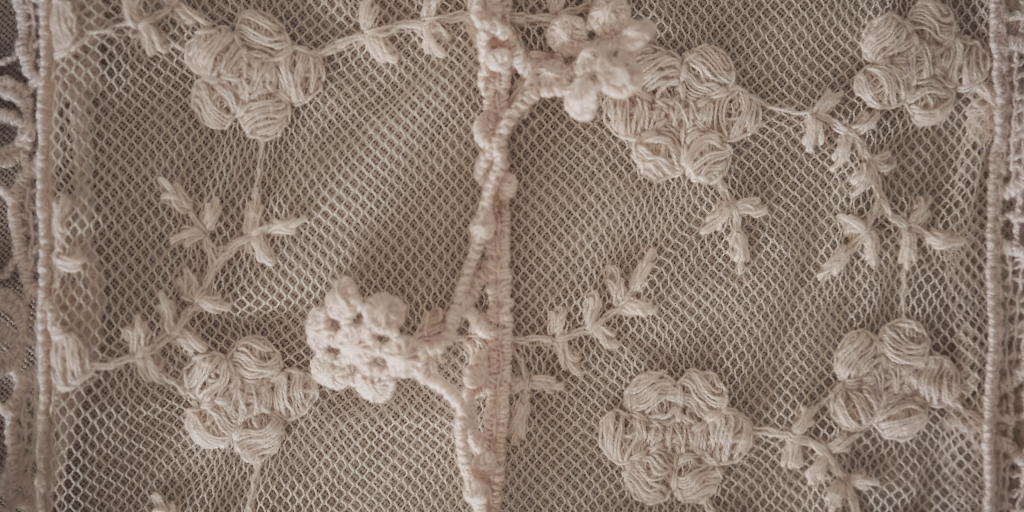
Delicate fabrics add elegance and comfort to a wardrobe, but they’re also the easiest to ruin. Silk, lace, chiffon, wool, and fine knits don’t tolerate harsh detergents, heavy agitation, or high heat. One wrong wash can permanently stretch, shrink, or tear them.
Many people avoid wearing delicate clothing simply because they’re afraid to wash it. Others take the risk and end up damaging their favorite pieces. The solution is understanding how these fabrics behave and treating them with the care they need.
This guide breaks down exactly how to wash delicate fabrics safely so they stay beautiful, soft, and wearable longer.
What Counts as a Delicate Fabric
Delicates include:
-
Silk
-
Lace
-
Chiffon
-
Wool
-
Cashmere
-
Rayon
-
Fine knits
-
Sheer or embellished fabrics
Even some polyester blends can behave like delicates depending on construction.
Step 1: Always Check the Care Label
Care labels are especially important for delicates.
Look For:
-
Hand wash only instructions
-
Cold water requirements
-
No wringing or twisting
-
Air-dry only warnings
If the label says “dry clean only,” do not attempt home washing unless you’re experienced.
Step 2: Decide Between Hand Washing and Machine Washing
When to Hand Wash
-
Silk
-
Lace
-
Embellished garments
-
Wool and cashmere
When Machine Washing Is Acceptable
-
Durable delicates
-
Polyester blends
-
Items labeled “machine wash gentle”
When in doubt, hand wash.
Step 3: How to Hand Wash Delicates Properly
What You’ll Need
-
Cold or lukewarm water
-
Gentle detergent or baby shampoo
-
Clean basin or sink
Step-by-Step
-
Fill basin with water
-
Add a small amount of gentle detergent
-
Submerge garment and gently swirl
-
Let soak for 10–15 minutes
-
Rinse with clean water
-
Press out water without wringing
Never twist or scrub delicate fabric.
Step 4: Machine Washing Delicates Safely
If machine washing is allowed:
Best Practices
-
Use a mesh laundry bag
-
Choose the delicate or hand-wash cycle
-
Use cold water
-
Wash with similar fabrics
Avoid mixing delicates with jeans, towels, or items with zippers.
Step 5: Use the Right Detergent
Regular detergent is too harsh for delicates.
Choose:
-
Detergent labeled “gentle” or “delicates”
-
Low-sudsing formulas
-
No brighteners or bleach
Use very small amounts. Too much detergent damages fibers.
Step 6: Dry Delicates Correctly
Drying is where most damage happens.
Best Drying Methods
-
Lay flat on a clean towel
-
Roll towel to absorb excess water
-
Reshape garment while damp
-
Air dry away from heat and sunlight
Avoid hang-drying heavy delicates, which can stretch them out.
Step 7: Store Delicates the Right Way
Proper storage prevents stretching and snags.
Storage Tips
-
Fold knits and wool
-
Hang silk and chiffon on padded hangers
-
Store in breathable garment bags
-
Avoid wire hangers
Clean delicates before storing to prevent fiber damage.
Common Mistakes to Avoid
-
Using fabric softener
-
Washing delicates with heavy fabrics
-
Wringing or twisting
-
Drying on high heat
-
Ignoring care labels
Each of these shortens the life of delicate garments.
When to Use Professional Cleaning
Choose professional care for:
-
Structured garments
-
Heavily embellished pieces
-
High-value items
-
Stubborn stains on silk or wool
It’s often cheaper than replacing damaged clothing.
Delicate fabrics don’t have to be intimidating. With gentle handling, proper detergents, and careful drying, you can keep them looking elegant and wearable for years.
The next time you hesitate to wear a delicate piece, remember that proper care makes all the difference. Start with cold water, gentle detergent, and patience.
Have a delicate fabric care question or tip? Share it in the comments. We’re happy to help you protect the clothes you love.