
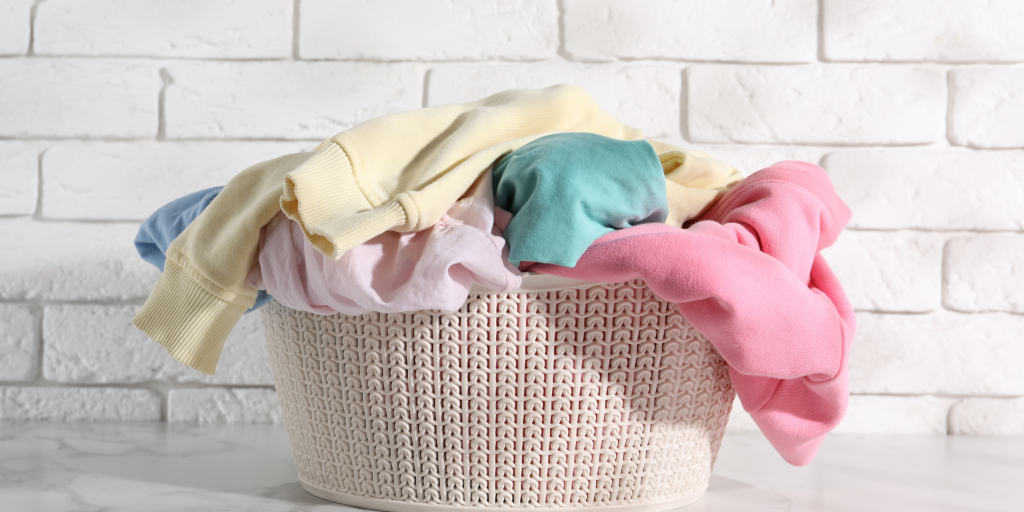
Laundry seems simple. You load the washer, add detergent, press a button, and move on with your day. But many of the most damaging laundry mistakes don’t look like mistakes at all. They happen quietly, load after load, slowly breaking down fabric fibers, fading colors, and ruining the fit of your clothes.
Most people only notice the damage when it’s too late. A shirt that suddenly feels thin. Jeans that lose their shape. Towels that look clean but smell off. These problems often come from small habits that seem harmless but cause long-term wear.
This guide breaks down 10 common laundry mistakes that slowly ruin clothes without obvious warning signs. More importantly, it shows you how to prevent them so your clothes stay in good condition longer.
Mistake #1: Overloading the Washing Machine
Overloading is one of the most common and damaging laundry habits. It’s tempting to stuff as much as possible into one load to save time, water, or money. Unfortunately, this shortcut often costs more in the long run.
Why Overloading Is a Problem
When a washing machine is overfilled:
-
Clothes don’t have enough room to move
-
Detergent can’t circulate properly
-
Dirt and oils aren’t rinsed out fully
-
Fabrics rub aggressively against each other
This leads to stretched fibers, weakened seams, and uneven cleaning. Instead of getting cleaner, clothes slowly degrade with every overloaded wash.
Signs You’re Overloading
-
Clothes come out still dirty or stiff
-
Detergent residue remains on fabric
-
Wrinkles are worse than usual
-
Items feel heavy and tangled
How to Fix It
A good rule of thumb is to fill the drum about 75 percent full. You should be able to fit your hand comfortably on top of the clothes. For bulky items like towels or bedding, reduce the load even further.
Overloading doesn’t just harm clothes. It also strains the washing machine, increasing the risk of breakdowns and costly repairs.
Mistake #2: Using Too Much Detergent
More detergent does not mean cleaner clothes. In fact, using too much detergent is one of the fastest ways to ruin fabric.
Why Excess Detergent Is Harmful
Modern detergents are highly concentrated. When too much is used:
-
Detergent doesn’t rinse out fully
-
Residue builds up in fabric fibers
-
Clothes feel stiff or sticky
-
Dirt gets trapped instead of removed
This buildup attracts more grime over time, making clothes look dull and smell unpleasant.
Common Detergent Myths
-
“Extra detergent removes tough stains”
False. Pre-treating stains is far more effective. -
“More suds means cleaner clothes”
Suds can actually prevent proper rinsing.
How Much Detergent You Really Need
Most loads require far less detergent than the bottle suggests. For average loads:
-
Use 1–2 tablespoons of liquid detergent
-
Reduce amount for soft water
-
Increase slightly only for heavily soiled items
If your clothes feel slick after washing or smell musty, detergent buildup is likely the cause.
Mistake #3: Using the Wrong Water Temperature
Water temperature plays a major role in cleaning effectiveness and fabric longevity. Using the wrong temperature can permanently damage clothes.
Why Temperature Matters
Different fabrics react differently to heat:
-
Hot water can shrink or fade clothes
-
Cold water may not remove certain stains
-
Warm water can weaken delicate fibers
Choosing the wrong temperature repeatedly causes clothes to lose their shape, color, and softness.
Common Temperature Mistakes
-
Washing everything in hot water
-
Using hot water to “sanitize” everyday clothes
-
Ignoring care labels
How to Choose the Right Temperature
-
Cold water: Delicates, dark colors, protein stains
-
Warm water: Lightly soiled everyday clothing
-
Hot water: Towels, bedding, and heavily soiled items
Cold water is gentler on clothes and saves energy, making it the best default choice for most laundry.
Mistake #4: Ignoring Care Labels
Care labels exist for a reason, yet many people remove them or ignore them entirely.
Why This Causes Damage
Care labels provide:
-
Maximum water temperature
-
Safe drying methods
-
Ironing limits
-
Bleach restrictions
Ignoring these instructions can result in shrinkage, fabric thinning, or color bleeding.
Prevention Tip
Before washing new clothes for the first time, read the care label and sort accordingly. This small habit prevents irreversible damage.
Mistake #5: Overusing the Dryer
The dryer is convenient, but it’s also harsh on clothes.
Why Dryers Damage Fabric
High heat:
-
Breaks down fibers
-
Causes shrinkage
-
Fades colors
-
Weakens elastic
Better Alternatives
-
Air-dry delicate items
-
Use low heat whenever possible
-
Remove clothes while slightly damp
Reducing dryer use significantly extends the life of clothing.
Mistake #6: Leaving Clothes in the Washer Too Long
Letting wet clothes sit in the washer creates the perfect environment for odors and mildew.
What Happens When Clothes Sit Wet
-
Bacteria multiply
-
Musty smells develop
-
Fibers weaken over time
Fix
Transfer clothes to the dryer or drying rack immediately after the cycle ends. If clothes smell musty, rewash with vinegar or baking soda.
Mistake #7: Washing Everything Together
Mixing heavy fabrics with lightweight items causes unnecessary friction.
Why This Is a Problem
-
Towels damage delicate fabrics
-
Zippers snag softer materials
-
Lint transfers between fabrics
Smarter Sorting
Sort by:
-
Fabric weight
-
Texture
-
Care requirements
This improves cleaning and reduces damage.
Mistake #8: Skipping Stain Pre-Treatment
Throwing stained clothes straight into the washer often sets stains rather than removes them.
Why Pre-Treatment Matters
-
Washing alone may not remove stains
-
Heat can set stains permanently
-
Rewashing damages fabric
Pre-treat stains before washing to protect fabric and avoid repeat cycles.
Mistake #9: Not Cleaning the Washing Machine
A dirty washing machine transfers grime back onto clothes.
Signs Your Machine Needs Cleaning
-
Persistent odors
-
Visible residue
-
Clothes don’t smell fresh
Maintenance Tip
Clean your machine monthly with vinegar or a washer cleaner to keep clothes truly clean.
Mistake #10: Washing Clothes Too Often
Overwashing wears out clothes faster than most people realize.
Why Less Washing Is Better
-
Friction breaks down fibers
-
Colors fade faster
-
Fabric loses structure
When You Can Skip a Wash
-
Jeans
-
Sweaters
-
Lightly worn outerwear
Spot cleaning and airing out clothes extends their lifespan.
Laundry damage rarely happens all at once. It builds slowly through small habits that feel harmless. By avoiding these 10 common mistakes, you can protect your clothes, improve cleaning results, and save money over time.
Start by fixing just one habit this week. Whether it’s using less detergent, choosing colder water, or reducing dryer heat, small changes make a big difference.
Which of these mistakes surprised you the most? Share your thoughts in the comments and help others avoid ruining their favorite clothes.