
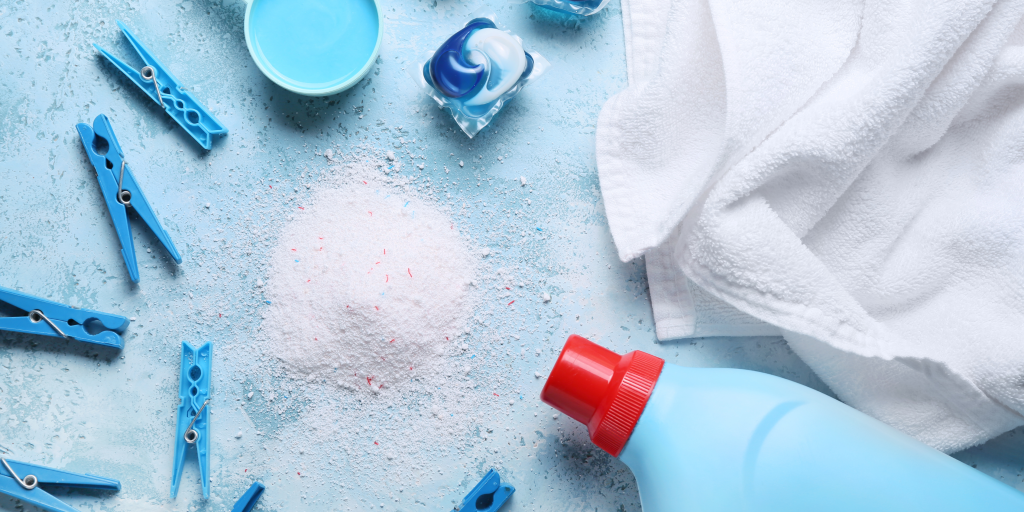
When it comes to doing laundry, most people follow the “a little extra won’t hurt” philosophy with detergent. But did you know that using too much detergent can actually leave your clothes less clean—and cause damage to your washer, your fabrics, and even your skin?
At Tampa Laundry Company, we’re all about getting the best results in the most effective way. That starts with using just the right amount of detergent. It sounds simple, but it’s one of the most overlooked (and misunderstood) steps in doing laundry.
Let’s clear up the confusion once and for all.
The Big Detergent Myth: More = Cleaner
This is one of the most common laundry misconceptions out there. You’re dealing with dirty clothes, so you might think more soap equals more cleaning power. It seems logical, but it’s actually the opposite.
Too much detergent:
-
Leaves residue on your clothes
-
Traps dirt and bacteria in fabric fibers
-
Causes buildup in your washer
-
Increases drying time
-
Can trigger skin irritation
In fact, your washer is designed to handle a certain amount of detergent. When you exceed that amount, it struggles to rinse everything out properly. You’re not getting a deeper clean—you’re getting a sticky mess.
What Happens When You Use Too Much Detergent?
Let’s break down exactly how overdoing it on detergent works against you:
1. Residue Buildup
When your machine can’t rinse away all that extra soap, it leaves behind a film on your clothes. This makes fabrics stiff, scratchy, and dull. Over time, residue can actually lock in bacteria and odors—causing clothes to smell worse.
2. Washer Issues
Extra detergent creates extra suds. Those suds may overflow or build up inside the drum, hoses, and pump. That can lead to mold, mildew, bad smells, and costly repairs.
3. Irritated Skin
Leftover soap can cling to clothes and transfer to your skin. This can cause itching, rashes, or allergic reactions—especially in babies or those with sensitive skin.
4. Wasted Money
Let’s face it: detergent isn’t cheap. Overusing it means you’re going through bottles faster than you need to. That’s money down the drain—literally.
How Much Detergent Should You Really Use?
It depends on a few things:
-
Washer type (HE vs. standard)
-
Load size
-
Soil level
-
Water hardness
-
Detergent concentration
Let’s break it down:
👉 For HE (High-Efficiency) Washers:
These use less water, so they need less detergent. Use the small line on the cap or about 1–2 tablespoons of liquid detergent per load. Many HE detergents are concentrated, so a little goes a long way.
👉 For Standard Top-Load Washers:
These use more water and can handle slightly more detergent. Still, for a regular load, stick to about ¼ cup (or the middle line of the cap).
👉 For Pods:
One pod per average load. Never use two pods unless you’re washing a very large or heavily soiled load in a standard washer.
🧺 Pro Tip: Read your detergent’s label carefully. The “cap” is often bigger than the actual recommended dose. Use the lines on the cap—not just a full pour.
How to Measure Correctly
We get it—those tiny lines on the cap are easy to miss. Here’s how to measure detergent the right way:
-
Liquid detergent: Follow the lines on the cap (don’t eyeball it).
-
Powder detergent: Use the scoop provided and level it off.
-
Pods or sheets: Use just one per regular load. Keep them dry before use.
And remember, heavily soiled loads may need a little more—but only a little.
What About Fabric Softener?
Same rule applies: more is not better. Overusing softener can lead to waxy buildup on clothes and your machine. Plus, many fabrics like athletic wear, towels, and baby clothes do better without it.
Try using white vinegar as a natural softener alternative—it removes odors, softens fabrics, and doesn’t leave residue.
Water Quality Matters
Hard water makes it more difficult for detergent to lather and rinse out. If you have hard water at home, you might need to use a bit more detergent—but not too much. Consider using a water softening product or switching to a detergent that’s designed for hard water.
🧺 Pro Tip: If clothes still feel stiff, smelly, or look dingy, it might not be the detergent—it could be your water.
How Tampa Laundry Company Gets It Right
Our team is trained to use the perfect amount of detergent for every load—based on fabric type, soil level, washer type, and water temperature. We don’t overdo it. We don’t cut corners. We use:
-
High-quality, cold-water friendly detergent
-
Hypoallergenic options by request
-
HE washers that use less water, less soap, and get great results
That’s the TLC difference—your clothes come back clean, soft, and fresh without any leftover residue.
Test It Yourself: Are You Overusing Detergent?
Here’s a quick way to test your current detergent use:
-
Wash a load with your usual amount of detergent.
-
Run a second rinse cycle after it finishes.
-
Peek inside—are there still bubbles or soap suds?
If yes, you’re probably using too much.
What About Smelly Laundry?
If your clothes still stink after washing, the answer isn’t more detergent—it’s a better strategy. Try this instead:
-
Run a load with ½ cup of white vinegar in place of detergent
-
Use baking soda in the wash to absorb odors
-
Deep clean your washer once a month (especially if you’ve been using too much soap)
The Bottom Line: Less is More
Using the right amount of detergent is key to cleaner clothes, longer-lasting fabrics, and a healthier washer. It may go against your instincts, but trust us—more soap doesn’t mean more clean. It often means more problems.
Here’s what you should remember:
-
Measure, don’t pour
-
Adjust for load size and soil level
-
Use HE detergent with HE machines
-
Watch for buildup or odor—those are signs of overuse
And if you’re ever unsure, let us handle it for you.
🩵 Want perfect laundry without the guesswork? Drop off your wash-dry-fold with Tampa Laundry Company. We’ll use the right amount of detergent, the right cycle, and give you back laundry that’s soft, clean, and ready to wear—every time.