
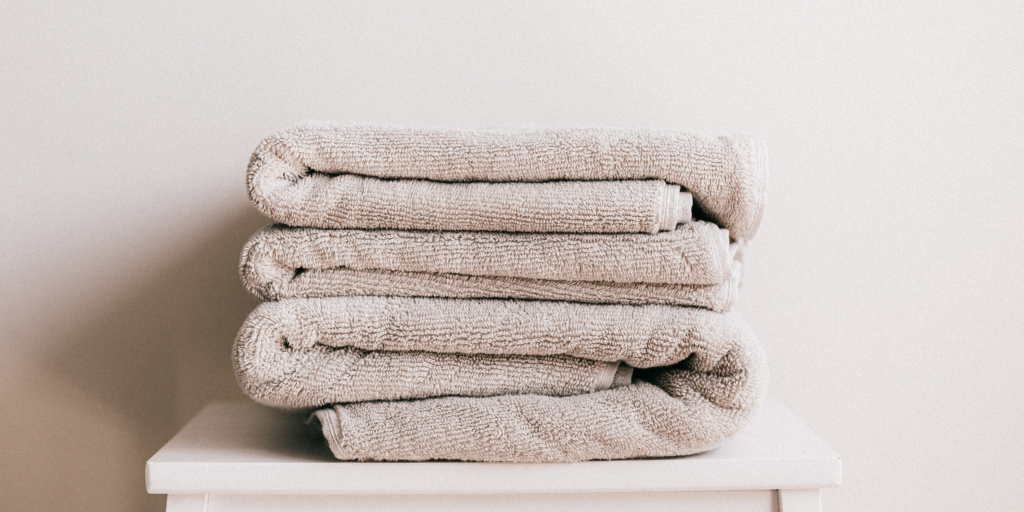
Towels are one of those things we rely on every single day without thinking about them. They step in after showers, beach trips, workouts, crying sessions, hair-washing marathons—everything. They work hard. But somewhere along the way, even the nicest towels can start turning rough, stiff, or just plain sad.
You know that moment when your towel feels more like sandpaper than something that’s supposed to dry your body? Or when it comes out of the wash smelling… not clean? It’s a universal experience, and the good news is that it’s fixable.
Towel care is its own little science. Once you get the hang of it, you’ll never go back to scratchy, sour towels again. Here’s everything you need to know to keep them soft, fluffy, and fresh every single time.
Let’s Talk About Why Towels Get Rough in the First Place
Most towel problems come down to three things:
1. Too much detergent
It doesn’t rinse out fully, leaving residue behind. That buildup weighs down the fibers and makes them feel stiff.
2. Fabric softener
It smells amazing but coats the fibers, making them less absorbent and eventually crunchy.
3. Hard water
Minerals in hard water cling to the towel loops and change the way they feel.
So if your towels have suddenly turned on you, don’t worry. It’s usually not the towel’s fault. It’s just a few small habits that need a reset.
How Often Should You Wash Towels?
Let’s be honest. Towels go way longer than they should in most homes. If you’re waiting for your towel to go “crunchy” before you wash it, we need to talk.
The sweet spot is every 3–4 uses.
Why?
Moisture + body oils + bathroom humidity = bacteria.
Even if it smells okay, it’s not always clean.
If someone in the house works out a lot, showers more often, or leaves the towel bunched up on the floor (we all know that person), it may need more frequent washing.
Step-by-Step: How to Wash Towels the Right Way
Here’s the simple routine that keeps towels soft and fluffy. Promise—this is way easier than you think.
1. Wash towels separately
Towels are linty and heavy. They need their own space. If you wash them with regular clothes:
-
lint sticks to everything
-
water can’t circulate well
-
towels don’t rinse fully
Give them their own load. They deserve it.
2. Use warm or hot water
Towels are durable. Warm or hot water helps remove:
-
body oils
-
lotion residue
-
bacteria
-
detergent buildup
If you want extra fluff, go hot from time to time unless the care label says otherwise.
3. Don’t use too much detergent
This is the number-one mistake.
Towels don’t need giant scoops of detergent. In fact, using too much leaves residue that makes them stiff.
Use:
-
Half the amount of detergent you think you need
-
A little more only if towels are heavily soiled
If you have an HE washer, use HE detergent and stick to small amounts.
4. Skip the fabric softener
This is the hardest habit for people to break because softener smells amazing. But here’s the truth:
Fabric softener puts a waxy coating on towel fibers.
That coating:
-
makes towels less absorbent
-
makes them feel slick instead of soft
-
traps odors
-
creates long-term buildup
After a few washes with softener, towels don’t even dry you properly anymore.
If you love the scent, add scent beads sparingly, but keep fabric softener out of the routine.
5. Add vinegar for softness
Vinegar is towel magic.
Every few washes, add one cup of white vinegar to the rinse cycle. It:
-
breaks down residue
-
restores fluff
-
kills bacteria
-
removes trapped odors
Don’t worry—the vinegar smell disappears once the towels dry. You won’t walk around smelling like salad dressing.
6. Use baking soda when needed
If your towels smell funky or feel stiff, add half a cup of baking soda in the wash. It boosts cleaning power and helps remove buildup.
You can use vinegar and baking soda—but not at the same time. Use them in separate loads or cycles.
7. Don’t overload your washer
Towels are thick. They absorb a ton of water. If the machine is stuffed:
-
detergent can’t rinse out
-
water can’t circulate
-
towels come out stiff and damp
It’s better to do two smaller loads than one overloaded one.
Drying Towels: Where the Fluff Really Happens
Drying plays a huge role in how towels feel. Even if you wash them perfectly, drying mistakes can undo all that work.
Here’s the right way to do it:
1. Loosen them before drying
Give each towel a shake when moving it from washer to dryer. This fluffing creates space between the loops so they dry better.
2. Use medium heat
High heat wears towels out faster. Low heat leaves them damp. Medium heat hits the sweet spot.
3. Don’t overdry
Overdrying breaks down the cotton fibers and kills that soft, fluffy feel. Towels should come out dry, not crunchy.
4. Add dryer balls
Dryer balls bounce around to:
-
prevent clumping
-
keep air circulating
-
reduce drying time
-
help towels stay fluffy naturally
Wool dryer balls work best, but plastic ones are fine too.
5. Make sure towels dry completely
Even if they feel dry on the outside, the inner loops might still be holding moisture. Damp towels smell musty fast.
If in doubt, leave them in for a few extra minutes.
Hard Water and Towels: The Silent Softness Killer
If your towels are stiff no matter what you do, hard water could be the reason.
Hard water leaves mineral deposits in the fabric. Those minerals bind to the cotton fibers, making towels feel rough and less absorbent.
Signs you may have hard water:
-
Towels feel stiff after washing
-
Whites look dull
-
Soap doesn’t lather easily
-
Dishes have cloudy spots
How to fix it:
-
Use a laundry booster designed for hard water
-
Add vinegar washes regularly
-
Use HE detergent
-
Consider a water softener if it’s a bigger household issue
You can revive even the stiffest towels once you get the minerals under control.
How to Rescue Old, Crunchy Towels
If you’re ready to throw out your stiff towels, wait—there’s still hope. You can revive older towels with something called a towel stripping process.
How to strip towels:
-
Fill a tub with hot water.
-
Add:
-
1/4 cup washing soda
-
1/4 cup borax
-
A small scoop of detergent
-
-
Soak towels for 4–6 hours.
-
Stir every hour.
-
Rinse and wash again normally.
This removes years of buildup. The water will probably turn brown—and that’s normal. It’s just residue releasing from the fibers.
Your towels will feel brand-new afterward.
Storing Towels the Right Way
Once they’re clean and fluffy, don’t let bad storage habits undo all your work.
Tips for storage:
-
make sure towels are 100 percent dry
-
store in a cool, dry spot
-
avoid cramped shelves with no airflow
-
keep wet or damp towels out of closed hampers
If you like extra freshness, add a sachet or dryer sheet to the linen closet.
When to Replace Towels
Even with great care, towels don’t last forever. If you notice:
-
fraying edges
-
thinning fabric
-
permanent odors
-
uneven absorbency
-
bald patches in the loops
…it might be time to upgrade.
Most towels last 2–3 years with regular use.
If You Don’t Have Time for Towel Care…
You’re not alone. Between school, work, kids, and everything else, towel care isn’t always a priority.
If you want soft, fluffy, hotel–fresh towels without doing the work, a wash-dry-fold service solves everything in one go.
Drop off your towels.
Pick them up clean, soft, and folded.
No stripping. No vinegar cycles. No crunchiness.
Just fresh towels that actually feel good.
Final Takeaway
You don’t need fancy products or complicated routines to keep towels soft and fluffy. Just a few simple changes:
-
less detergent
-
no fabric softener
-
vinegar every few washes
-
proper drying
-
washing towels separately
With the right habits, every shower ends with a fresh, cozy towel that feels like a mini luxury. And honestly? That’s an easy upgrade everyone deserves.