
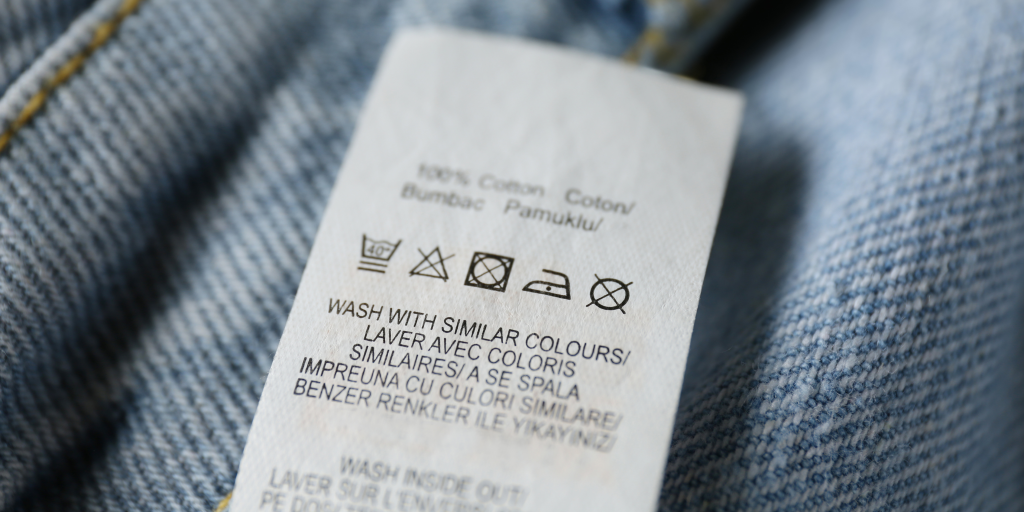
Laundry care labels are small, easy to ignore, and often confusing. Most people glance at them once, shrug, and throw their clothes into the wash anyway. Unfortunately, those tiny symbols hold the key to keeping your clothes looking good, fitting properly, and lasting longer.
Care labels are not suggestions. They are instructions from the manufacturer based on fabric type, construction, and dye behavior. Ignoring them can lead to shrinking, fading, stretching, fabric damage, or garments that never quite look the same again.
In this guide, we’ll break down every major laundry care symbol in plain language. You’ll learn what each symbol means, why it matters, and how following these instructions can save your clothes, your money, and your time.
By the end, you’ll be able to read any care label with confidence and know exactly how to wash, dry, and care for your clothes the right way.
Why Laundry Care Symbols Matter
Care labels exist because fabrics behave differently under heat, agitation, and moisture. Cotton, polyester, silk, wool, and blended fabrics each react uniquely during washing and drying.
When care symbols are ignored, common problems occur:
-
Clothes shrink or stretch out of shape
-
Colors fade or bleed
-
Fabrics pill or weaken
-
Delicate fibers tear or warp
-
Garments lose their structure and fit
Following care symbols helps:
-
Extend the life of your clothes
-
Maintain color and texture
-
Prevent costly replacement
-
Reduce unnecessary wear and tear
In short, understanding these symbols is one of the simplest ways to protect your wardrobe.
The Five Main Categories of Laundry Care Symbols
Laundry symbols are divided into five main categories:
-
Washing
-
Bleaching
-
Drying
-
Ironing
-
Professional cleaning
Let’s go through each category in detail.
Washing Symbols Explained
Washing symbols are represented by a tub filled with water. These symbols tell you how to wash the garment and at what temperature.
Basic Wash Tub
A plain wash tub means the garment is machine washable.
Numbers Inside the Tub
Numbers indicate the maximum water temperature in Celsius.
-
30°C: Cold wash, gentle on fabrics
-
40°C: Warm wash for everyday clothes
-
60°C: Hot wash for towels and bedding
Using water hotter than recommended can cause shrinking or fading.
Lines Under the Tub
Lines under the wash tub indicate cycle strength.
-
No line: Normal cycle
-
One line: Permanent press or reduced agitation
-
Two lines: Gentle or delicate cycle
The more lines, the gentler the wash should be.
Hand Wash Symbol
A hand inside the tub means hand wash only. These garments should not go in the washing machine, even on a delicate cycle.
Crossed-Out Tub
This means do not wash. These items usually require professional cleaning.
Bleaching Symbols Explained
Bleach symbols are shown as a triangle. They tell you whether bleach is safe to use.
Plain Triangle
Any bleach is safe.
Triangle with Lines
Only non-chlorine bleach is allowed.
Crossed-Out Triangle
Do not bleach. Bleach can weaken fibers and strip color permanently.
Even if bleach is allowed, use it sparingly. Overuse damages fabric over time.
Drying Symbols Explained
Drying symbols are shown as a square. If there’s a circle inside the square, it refers to machine drying.
Tumble Dry Allowed
A square with a circle means the garment can go in the dryer.
Dots Inside the Circle
Dots indicate heat level:
-
One dot: Low heat
-
Two dots: Medium heat
-
Three dots: High heat
High heat is the leading cause of shrinking and fabric damage.
Lines Under the Square
Lines under the drying symbol indicate reduced heat or gentle drying.
Air Dry Symbols
-
Vertical line: Hang to dry
-
Horizontal line: Lay flat to dry
-
Shaded corner: Dry in shade
These instructions help prevent stretching and fading.
Crossed-Out Dryer Symbol
Do not tumble dry. These items should be air-dried only.
Ironing Symbols Explained
Ironing symbols show an iron icon with dots to indicate temperature.
Dots on the Iron
-
One dot: Low heat (synthetics, silk)
-
Two dots: Medium heat (polyester blends)
-
Three dots: High heat (cotton, linen)
Crossed-Out Iron
Do not iron. Heat can permanently damage these fabrics.
If unsure, always start with the lowest heat setting.
Professional Cleaning Symbols Explained
Professional cleaning symbols appear as circles.
Plain Circle
Dry clean allowed.
Letters Inside the Circle
Letters indicate the type of solvent professionals can use. This is mainly relevant for dry cleaners.
Crossed-Out Circle
Do not dry clean.
If a garment says “dry clean only,” washing it at home may cause irreversible damage.
Common Care Label Mistakes People Make
Even when people read labels, they often misinterpret them. Here are common mistakes to avoid:
-
Assuming delicate cycle equals hand wash
-
Using hot water to “clean better”
-
Ignoring drying instructions
-
Mixing bleach-safe and bleach-restricted garments
-
Ironing without checking heat limits
These small mistakes add up over time and shorten the life of clothing.
How to Use Care Symbols to Sort Laundry Smarter
Instead of sorting only by color, try sorting by care needs:
-
Delicates and hand-wash items
-
Cold wash garments
-
Heavy-duty items like towels and denim
This reduces fabric damage and improves cleaning results.
What to Do If the Care Label Is Missing
If a label is missing:
-
Wash in cold water
-
Use gentle detergent
-
Choose a delicate cycle
-
Air dry instead of using heat
When in doubt, treat the garment gently.
How Care Symbols Save You Money
Replacing damaged clothes is expensive. Following care instructions helps:
-
Reduce wardrobe replacement costs
-
Avoid dry cleaning mistakes
-
Extend garment lifespan
Over time, proper care adds up to significant savings.
When to Ignore Care Symbols (Rare Cases)
In rare situations, experienced professionals may adjust care methods, but for everyday laundry, it’s best to follow the label exactly. Manufacturers test garments before assigning care instructions.
Laundry care symbols may be small, but their impact is huge. Understanding them allows you to wash smarter, protect your clothes, and avoid costly mistakes. Once you know what these symbols mean, laundry becomes simpler and far less stressful.
The next time you buy new clothes or sort your laundry, take a moment to read the care label. Your clothes will last longer, look better, and feel better because of it.
If you’ve ever ruined a garment by ignoring a care symbol, you’re not alone. Share your experience or questions in the comments. We’re here to help you make laundry easier.